

Elevate Your Skills: Mastering Professional Drain Cleaning
October 14, 2025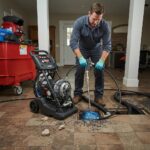
Get Expert Tips on Local Drain Cleaning Services Today!
October 21, 2025
Know Your Home’s Drains: Common Issues, What They Mean, and How to Fix Them

Household drain troubles are blockages and failures in your home’s plumbing that stop water from flowing, cause bad smells, and can even damage your property if you don’t deal with them. These problems pop up when things like grease, hair, soap residue, food bits, or even tree roots build up, or when pipes get damaged and can’t carry water properly. Knowing how these issues start helps you act before they get worse. This guide breaks down common drain problems in homes, shows you how to spot the signs in your kitchen, bathroom, toilet, main sewer line, and outdoor drains, and explains both simple DIY fixes and when it’s time to call in the pros. You’ll learn how to spot the clues, set up a good prevention routine, and understand professional methods like drain snaking, camera inspections, and hydro-jetting that get your drains working right again and fix the root cause. We also compare different solutions, offer handy checklists, and use tables to match causes with symptoms and professional methods with results, helping you make smart choices and act fast. Keep reading to learn the difference between a slow sink and a main sewer clog, and when a professional Drain Cleaning Service is your best bet.
What Usually Causes Drains to Get Clogged at Home?
Drains get clogged when stuff builds up so much it blocks the flow, and what causes it often depends on where the drain is because different drains catch different kinds of gunk. In kitchen sinks, grease and food scraps mix and harden on the pipe walls, creating sticky blockages that catch other bits. Bathroom drains commonly get clogged with hair and soap scum that tangle up and form tough clumps. Toilets get blocked by things that aren’t meant to be flushed and don’t break down. Main sewer lines often get clogged by tree roots growing into them or by pipes that are breaking down and letting roots in. Outdoor drains can get blocked by leaves, dirt, and mulch, which slows down water flow and causes puddles. Here’s a quick rundown of the main causes and where you’ll usually find them, before we dive deeper.
Common culprits behind clogged home drains include:
- Grease buildup in kitchen sinks that hardens on pipe walls and traps food waste.
- Hair and soap scum in bathroom drains that create tangles and sticky residue.
- Items flushed down toilets that don’t break down and block the pipes.
- Tree roots and damaged pipes in main sewer lines that cause gradual blockages.
- Outdoor debris like leaves and dirt in yard drains that reduce water flow.
These causes are directly linked to specific areas in your home and suggest initial prevention steps, which we’ll explore in more detail in the following H3 sections.
How Does Grease Affect Your Kitchen Sink Drains?

Grease buildup starts when liquid fats and oils from cooking cool down and solidify, sticking to the inside of your pipes. This creates narrower passages that trap food particles. As this happens, the effective size of your pipe shrinks, and friction increases, slowing down water flow. This also creates spots where more gunk can collect, eventually leading to standing water and unpleasant smells. Common sources in the home include cooking oils, butter, and fatty food scraps that get poured or rinsed down the sink. Even small amounts poured down regularly can create serious blockages over time. To prevent this, use sink strainers, throw away grease in sealed containers, and consider professional cleaning now and then to keep pipes clear and avoid using harsh chemicals that can harm your pipes and septic system.
Fat, Oil, Grease (FOG) Deposits and Food Waste Disposers in Kitchen Drains
The interactive force between fat, oil, and grease (FOG) deposits and the effect of food waste disposers on kitchen drainage systems, 2024
Why Do Hair and Soap Scum Clog Bathroom Drains?
Hair and soap scum clog bathroom drains through a combination of tangling and sticking. Hair strands form mats that catch other small particles, while soap molecules create a sticky residue that clings to pipe walls. Over time, these layers create a slick surface that traps more debris like skin flakes and mineral deposits, leading to slow draining, visible puddles, and odors. Shower drains and bathroom sink traps are common spots for this buildup, often going unnoticed until the water flow is significantly reduced. Putting drain screens in place, removing hair after each use, and occasionally using enzyme-based cleaners can help break down organic matter without damaging your plumbing or the environment.
What Non-Flushable Items Cause Toilet Clogs?
Toilet clogs are most often caused by items that are marketed as disposable but aren’t designed to break down in sewer or septic systems. These items can get stuck in the toilet’s trap or further down the line, causing blockages. Examples include wipes (even those labeled “flushable”), paper towels, feminine hygiene products, cotton swabs, and thick disposable diapers. These can clump together with grease or undissolved paper to block the flow. Septic systems are particularly vulnerable because their natural breakdown processes are slowed by non-biodegradable items, increasing the risk of backups and expensive repairs. Properly disposing of these items in the trash prevents clogs and protects both your home’s plumbing and the municipal sewer system.
How Do Tree Roots and Pipe Damage Lead to Main Sewer Line Clogs?
Tree roots are drawn to the moisture and nutrients in sewer pipes and will exploit any weak point—like joints, cracks, or older, porous pipes—to grow inside. As they thicken, they create dense root masses that restrict water flow. These roots can trap solid waste and form a network that leads to sediment buildup and eventual pipe collapse, causing repeated backups and reduced capacity. Pipe damage can also happen due to ground shifts or corrosion. When pipes are compromised and roots invade, a camera inspection is often needed to pinpoint the problem. Catching root intrusion early allows for targeted cleaning or trenchless repairs before a full pipe replacement becomes necessary.
What Debris Commonly Blocks Outdoor Drains and Yard Drainage?

Outdoor drains and yard drainage systems get clogged seasonally with leaves, mulch, grass clippings, and soil that accumulate on grates and in gutters. This reduces the system’s ability to carry away rainwater, leading to puddles near your home’s foundation. Runoff can also carry sediment that settles in low spots and channels, gradually filling them up and increasing flood risk during heavy storms. Decaying organic debris can also create unpleasant odors and attract pests. Regularly clearing grates, removing yard debris seasonally, and installing protective screens can significantly reduce blockage risks and protect your foundation. If sediment has compacted, professional cleaning or regrading might be needed to restore proper water flow and prevent long-term erosion.
| Cause Category | Typical Location | Typical Symptoms/Locations |
|---|---|---|
| Grease & Food Solids | Kitchen sink and disposal lines | Slow draining, foul kitchen odors, recurring sink backups |
| Hair & Soap Scum | Shower, bathtub, bathroom sink | Slow draining, visible hair clumps, gurgling sounds |
| Non-Flushables | Toilet and downstream sewer lines | Toilet backups, partial flushes, localized clogs |
| Tree Roots & Pipe Damage | Main sewer line, yard lines | Multiple fixture backups, sewer odors, soggy yard areas |
| Outdoor Debris & Sediment | Yard drains, storm inlets | Surface pooling, slow stormwater drains, foundation risk |
This table helps you connect common causes to their usual spots and symptoms, so you can figure out where to start looking and what to do next.
How Can You Spot the Signs of Different Home Drain Problems?
Figuring out what’s wrong with your drains starts with noticing where and how the drainage is poor. Slow drains in just one fixture usually point to a local issue, while backups in multiple fixtures at once suggest a problem further down the line. Symptoms include slower water flow, standing water, gurgling noises, bad smells, and visible backups. Each sign has meaning depending on where it shows up. Catching these issues early means you can avoid unnecessary DIY fixes and know whether to schedule regular maintenance or an emergency service. The H3 sections below describe the typical signs for kitchen, bathroom, toilet, main sewer, and outdoor drains, helping you match what you see and hear to likely causes and the right next steps.
What Are the Signs of a Slow or Clogged Kitchen Sink Drain?
A slow or clogged kitchen sink usually means standing water, longer drain times, and kitchen odors from trapped food and grease. These are strong clues that grease buildup or food particles are the problem. You might hear noisy draining as air tries to get past blockages, or see gunk in the trap if you take it apart. Garbage disposals that hum but don’t drain often signal a mechanical jam rather than a simple clog. Quick fixes like clearing the strainer, running hot water, or cleaning the P-trap can sometimes help temporarily, but if the problem keeps coming back, it’s likely time for professional cleaning to remove hardened grease and restore full flow. Getting the right diagnosis prevents you from trying fixes that might push the clog deeper into the pipe.
How to Recognize Bathroom Drain Blockages Like Standing Water or Gurgling?
Bathroom drain blockages often show up as slow-draining water, puddles in showers or sinks, and gurgling sounds when water drains from other fixtures. These sounds mean air is getting trapped by partial blockages. Gurgling suggests water is forcing its way past a tight spot, creating air pockets. Visible standing water means the drain is struggling to keep up. Simple first steps include removing drain covers and pulling out any visible hair and soap scum. However, avoid using harsh chemicals, as they can damage pipes or create dangerous fumes. If the clog keeps returning even after simple clearing, a professional camera inspection can find deeper issues like thick hair mats or mineral buildup.
What Are the Warning Signs of Toilet Clogs and Overflow Risks?
Warning signs of toilet clogs and potential overflows include incomplete flushes, slow tank refilling, rising water in the bowl when other fixtures are used, and repeated partial backups. These all point to restricted flow or an impending blockage. If the toilet water level rises, turn off the water supply and avoid flushing again to prevent an overflow and sewage discharge. If multiple toilets or other fixtures are acting up at the same time, the problem is likely in the main sewer line and needs immediate professional attention, not just toilet maintenance. Acting fast prevents water damage and health risks from sewage overflows.
How to Detect Main Sewer Line Clog Symptoms and Multiple Fixture Backups?
When your main sewer line is clogged, you’ll likely see backups in several fixtures, notice persistent sewer smells in your home, and hear gurgling sounds from drains when you use other plumbing fixtures. This pattern indicates a blockage downstream from individual drains. Other signs might include wet spots in your yard where the sewer line runs or unusually high water levels in toilet bowls throughout the house. These symptoms call for professional diagnostic tools like a drain camera inspection to find and identify the clog—whether it’s roots, a collapsed pipe, or accumulated solids—so the right fix can be chosen. Acting quickly minimizes property damage and health risks from sewage.
Remote Drain Inspection Framework Using CNN and Reconfigurable Robot
Drain blockage is a crucial problem in the urban environment. It heavily affects the ecosystem and human health. Hence, routine drain inspection is essential for urban environment. Manual drain inspection is a tedious task and prone to accidents and water-borne diseases. This work presents a drain inspection framework using convolutional neural network (CNN) based object detection algorithm and in house developed reconfigurable teleoperated robot called ‘Raptor’. The CNN based object detection model was trained using a transfer learning scheme with our custom drain-blocking objects data-set. The efficiency of the trained CNN algorithm and drain inspection robot Raptor was evaluated through various real-time drain inspection field trial. The experimental results indicate that our trained object detection algorithm has detect and classified the drain blocking objects with 91.42% accuracy for both offline and online test images and is able to process 18 frames per second (FPS). Further, the maneuverability of the robot was evaluated from various open and closed drain environment. The field trial results ensure that the robot maneuverability was stable, and its mapping and localization is also accurate in a complex drain environment.
What Are the Indicators of Outdoor Drain and Yard Flooding Issues?
Outdoor drainage problems show up as standing water after rain, persistently damp ground near your foundation, and erosion or sediment buildup in drainage channels. These signs indicate that stormwater isn’t flowing away properly, increasing the risk of flooding. Blocked grates, piles of leaves, and compacted sediment reduce the system’s capacity and can direct water toward your foundation or landscaping, causing damage to both. Regularly checking drains after leaves fall and before heavy rain seasons helps catch buildup early. If puddles remain even after clearing, regrading or professional yard drain cleaning might be needed to restore proper flow. Addressing outdoor drainage issues prevents basement leaks and long-term damage to your yard.
When Should You Call a Professional for Drain Cleaning Services?
Call a professional when the signs point to a problem deeper than just surface debris, because professionals have the specialized tools and diagnostic skills to fix underlying issues and prevent them from coming back. Key triggers include clogs that reappear soon after you try to fix them yourself, backups affecting multiple fixtures, strong sewer odors, rising toilet water, and visible signs of main-line trouble like soggy spots in your yard. Professionals offer safer, more lasting solutions using camera inspections and targeted cleaning methods that won’t harm your pipes. They can also advise on whether repair or ongoing maintenance is best. Here are some critical points to consider when deciding whether to keep trying DIY fixes or schedule a professional Drain Cleaning Service, especially if you see red flags or experience repeated failures.
Here’s when to call a pro: red flags and decision points.
- Multiple fixtures backing up or several drains slowing down at once suggest a main-line issue.
- Clogs return within days after you’ve cleared them yourself, indicating a persistent underlying cause.
- Sewage odors or visible backups appear, posing health risks and needing immediate attention.
- Toilet water rises when other fixtures are used, or you see standing water in yard drains.
These triggers help you prioritize safety and long-term cost savings. If you notice multiple red flags, it’s wise to contact a licensed service instead of continuing with home remedies.
Once you’ve identified these red flags, think about professional availability and qualifications. For urgent situations that match the indicators above, a Drain Cleaning Service that offers same-day or 24/7 availability can minimize damage and get your plumbing back to safe operation quickly.
Why Are DIY Drain Cleaning Methods Sometimes Ineffective or Risky?
DIY methods like boiling water, baking soda and vinegar, or over-the-counter chemical cleaners often only address the visible symptom and can be ineffective against hardened grease, root intrusion, or mineral buildup. They can also damage pipe materials and harm septic systems. Using a household auger might dislodge superficial blockages but can push debris further down or fail to remove sticky residue on pipe walls, leading to recurring clogs. Harsh chemical cleaners can corrode older pipes and create dangerous fumes. For this reason, safe interim steps like manually removing debris with gloves and a plunger are often preferred until a professional can assess the situation. Understanding these limitations helps homeowners know when it’s time to call in specialized services.
What Drain Problems Require Emergency Plumbing Assistance?
Emergency plumbing assistance is needed for overflowing sewage, complete main-line blockages, rapid flooding into living spaces, and any situation that presents immediate health hazards, such as exposure to raw sewage or active leaks threatening the structure of your home. These emergencies require prompt containment steps—stop using affected fixtures, shut off water if possible, and limit exposure—followed by contacting a qualified emergency service for immediate help. Quick response minimizes contamination, prevents extensive water damage, and reduces restoration costs.
How Does Professional Drain Cleaning Prevent Recurring Clogs?
Professional drain cleaning tackles the root causes by using diagnostic camera inspections, mechanical snaking, and hydro-jetting to remove both loose debris and stuck-on buildup that leads to recurring clogs. This diagnostic-first approach extends the time between clogs. Camera inspections pinpoint the exact location and type of clog, allowing technicians to choose the right cleaning method instead of guessing. Scheduled maintenance plans based on inspection results—like annual hydro-jetting for kitchens prone to grease—reduce long-term buildup and the chance of emergency plumbing calls. Professional service restores pipe flow and protects your plumbing’s integrity over time.
What Are the Advantages of Using Environmentally Friendly Drain Cleaning Solutions?
Environmentally friendly drain cleaning uses non-caustic, biodegradable agents and mechanical methods to remove organic buildup without harming pipes, septic bacteria, or the local environment. These methods reduce the risk of pipe corrosion and chemical exposure for your family and pets, while still effectively clearing organic deposits through enzymatic action or high-pressure water. Professionals opt for these methods when caustic chemicals are unsuitable due to pipe material, septic system concerns, or local environmental regulations, balancing effectiveness with safety. This approach aligns with community preferences and promotes long-term pipe health, making eco-conscious options a great alternative to harsh chemical treatments.
What Advanced Drain Cleaning Solutions Does Plumbing Plus LLC Offer?
Advanced professional solutions combine accurate diagnosis with the right mechanical or fluid method to resolve clogs safely and permanently. The best approach depends on the type of clog, the condition of the pipes, and its location. Hydro-jetting cleans pipe walls by using high-pressure water to remove grease, roots, and hardened buildup, restoring pipes to near-original condition. Snaking clears localized obstructions like hair and small debris. Camera inspections reveal the exact cause of the problem and guide repair decisions. The following H3 sections explain how each method works and when it’s typically used, and the table below compares their effectiveness, best applications, and expected results, helping you understand the options and how a professional Drain Cleaning Service matches methods to your specific needs.
| Method | Effectiveness | Best Use |
|---|---|---|
| Hydro-jetting | High for grease, roots, and scale | Main sewer lines and heavily scaled pipes |
| Drain snaking | Medium for localized clogs | Kitchen sink clogs, hair in shower drains |
| Camera inspection | Diagnostic precision | Locating roots, collapse, or foreign objects |
| Combination approach | Targeted, long-lasting | When inspection and cleaning are needed together |
This comparison helps you understand the trade-offs and why a professional’s choice of method is crucial for long-term results.
How Does Hydro-Jetting Effectively Clear Tough Drain and Sewer Line Blockages?
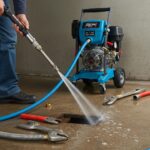
Hydro-jetting uses high-pressure water streams to scrub pipe walls, break up hardened grease, cut through root intrusions, and flush out debris, restoring pipes to their original capacity without harsh chemicals. The system uses adjustable pressures and nozzle types, allowing trained professionals to remove buildup while minimizing risk to pipe joints and fittings. Hydro-jetting is especially effective for main sewer lines and heavily clogged kitchen pipes where sticky deposits have built up over time or roots have penetrated the pipe. When done correctly, hydro-jetting provides long-lasting clearance and reduces how often you need service.
When Is Drain Snaking the Best Solution for Residential Clogs?
Drain snaking is best suited for localized, mechanical blockages like hair tangles, soap scum plugs, and small amounts of food waste, as the auger physically breaks up or pulls out the obstruction. Snaking is a quick and affordable option for single-fixture clogs and works well when a camera inspection confirms there isn’t extensive buildup on the walls or root intrusion. However, snaking has limits—it typically doesn’t remove scale or sticky grease lining the pipes and may not be effective against large root masses. This means it can sometimes be a short-to-medium-term fix. Choosing snaking involves balancing speed and cost against the need for deeper cleaning methods like hydro-jetting.
How Do Camera Inspections Help Diagnose Drain Problems Accurately?
Camera inspections involve inserting a waterproof video camera into your pipes to provide a live view of the interior. This reveals the exact cause of the problem, such as roots, foreign objects, cracks in the pipe, or severe scaling, without needing to dig. This precise diagnosis prevents guesswork and unnecessary repairs by showing exactly what needs to be done, where the problem is located, and whether cleaning, repair, or replacement is the best option. Camera footage also allows for clear communication with homeowners and helps technicians choose the least invasive and most effective treatment. Using video diagnostics leads to more accurate project plans and better long-term results.
What Makes Plumbing Plus LLC’s 24/7 Emergency Drain Service Unique in Berks and Lancaster Counties?
Plumbing Plus LLC stands out with its combination of advanced diagnostic tools, eco-friendly practices, rapid response times, and flexible financing options to minimize disruption for homeowners in Berks and Lancaster Counties. Their Drain Cleaning Service utilizes the latest hydro-jetting equipment, camera inspection technology, and non-caustic cleaning agents to address the root causes of clogs while protecting your plumbing and the environment. With 24/7 emergency and same-day service availability, plus financing assistance for larger projects, they focus on quick solutions, lasting results, and affordability for local residents. Their deep understanding of common regional issues—like root intrusion and seasonal debris—allows for targeted interventions that reduce the likelihood of repeat problems.
How Can Homeowners Prevent Common Residential Drain Problems?
Preventing drain issues means reducing both the number of clogs and the need for emergency service. This is achieved through a combination of daily habits, protective measures, and scheduled professional maintenance. A simple routine can extend your pipes’ lifespan and prevent costly repairs. Key preventive strategies include proper grease disposal, regular use of strainers, periodic enzyme treatments, and scheduling professional inspections based on your home’s specific risks. The table below outlines practical preventive measures, their recommended frequency, and their benefits, giving you a maintenance schedule that balances effort and cost. Following the table, detailed H3 tips explain how to implement each measure effectively.
| Preventive Measure | Recommended Frequency | Benefit |
|---|---|---|
| Install and clean sink/ shower strainers | Weekly | Captures solids and hair before they enter the trap |
| Grease disposal (sealed container) | After cooking | Prevents solidifying grease in drains |
| Enzyme-based drain treatment | Monthly | Breaks down organic residue without caustics |
| Professional drain inspection/cleaning | Annually or biannually | Detects early issues and removes buildup |
This schedule helps homeowners establish a practical maintenance routine that prevents many common drain problems.
What Are the Best Practices for Proper Grease and Food Waste Disposal?
The best practices start with never pouring grease or oil down the drain. Instead, collect cooled fats in a sealed container and throw them away, or look into local oil-recycling programs. Use sink strainers to catch food solids, scrape plates into the trash or compost bin before washing, and run cold water while using the garbage disposal to help keep grease more fluid for a short time. For stubborn grease buildup in older systems, schedule professional cleaning that uses safe mechanical methods instead of harsh chemicals. Adopting these habits reduces kitchen sink clogs and prevents the buildup of sticky grease that requires professional cleaning like hydro-jetting.
How Can You Avoid Hair and Soap Scum Build-Up in Bathroom Drains?
Avoiding hair and soap scum starts with installing good quality drain screens and emptying them after each use to keep tangles from reaching the trap. Regularly remove visible hair from drain covers and use a biodegradable enzyme cleaner once a month to gently break down organic residue without harming pipes. For households with heavy hair shedding, consider a hair trap with a removable cartridge and schedule periodic professional snaking or inspections to remove early accumulations. These simple steps keep bathroom drains flowing freely and reduce the need for harsh chemical cleaners.
What Items Should Never Be Flushed to Prevent Toilet Clogs?
Never flush wipes (even those labeled “flushable”), paper towels, feminine hygiene products, cotton swabs, dental floss, or thick disposable wipes down the toilet. These items don’t break down easily and can accumulate in the trap or further down the sewer line, causing clogs. Dispose of these products in a trash can instead, and consider using biodegradable alternatives for cleaning when possible. When in doubt, it’s always safer to throw it in the trash to protect your drains and avoid costly repairs to your septic or sewer system.
How Often Should You Schedule Professional Drain Cleaning to Avoid Major Issues?
For most homes, an annual professional inspection and cleaning is a good starting point. However, homes with high-use kitchens, older pipes, or known tree root issues might benefit from service twice a year. The ideal frequency depends on how many people live in the home, how much the fixtures are used, and past clogging issues. Single-family homes with moderate use can plan for annual cleaning or inspections, while rental properties and homes with heavy grease usage should consider more frequent service. Camera inspections can help fine-tune this schedule by showing how quickly buildup occurs and guiding customized maintenance intervals. Following a regular schedule reduces emergency calls and keeps your system running smoothly.
What Simple DIY Tips Help Maintain Clear Drains Without Chemicals?
Simple DIY maintenance includes regularly removing debris from strainers, flushing kitchen drains with hot water after washing greasy dishes, and using a plunger for minor toilet and sink blockages to clear air pockets and small obstructions safely. Enzyme-based cleaners used monthly can help break down organic material without harsh effects, and periodically cleaning P-traps manually removes trapped solids before they move further into the system. Avoid using store-bought caustic drain cleaners, which can damage pipes and create hazardous reactions. Schedule professional help for persistent or multi-fixture issues. These preventive actions reduce the likelihood of severe clogs and the need for emergency services.
- Everyday maintenance steps help homeowners avoid most minor clogs:
- Clean strainers weekly to prevent hair and food buildup.
- Run hot water after greasy cleaning tasks to push oils through the line.
- Use enzyme cleaners monthly to maintain organic-free pipes.
What Are the Signs and Dangers of Main Sewer Line Clogs Every Homeowner Should Know?
Main sewer line clogs are serious because they affect your entire plumbing system and can lead to sewage backups, structural damage, and health risks. Recognizing the symptoms early allows for timely professional diagnosis and repair. Signs include backups in multiple fixtures, persistent sewer odors, soggy areas in your yard above the pipe runs, and visible gurgling or slow drains throughout the house. Ignoring these signs increases the risk of contamination, mold growth, and escalating repair costs, potentially requiring extensive work or even replacement. The H3 sections below explain how tree roots cause damage, the health and property risks involved, diagnostic signs, and criteria for deciding between repair and replacement, so you can make informed decisions.
How Do Tree Roots Cause Sewer Line Blockages and Pipe Damage?
Tree roots find their way into sewer lines by exploiting small cracks or loose joints, drawn by the moisture and nutrients inside. Once inside, they grow and form dense root masses that block the flow of waste. Over time, roots can widen existing cracks and even cause the pipe to collapse, leading to complex repairs that might require trenchless methods or localized replacement. A camera inspection can show the location and severity of root intrusion, helping determine if hydro-jetting, chemical root treatment, or structural repair is the best course of action. Early detection prevents further damage and limits the scope and cost of repairs.
What Are the Health and Property Risks of Ignoring Sewer Line Clogs?
Ignoring sewer line clogs exposes your household to sewage pathogens and odors, increases the likelihood of indoor water damage and mold growth, and can weaken foundations through constant soil saturation near affected pipes. Exposure to sewage carries risks of respiratory and gastrointestinal illnesses, and prolonged moisture intrusion promotes mold growth that impacts air quality and damages building materials. Repair costs also skyrocket when minor clogs turn into collapsed pipes that require excavation and full replacement. Addressing clogs promptly protects your health, your property, and your long-term budget.
How Can Multiple Fixture Backups Indicate a Main Sewer Line Problem?
When multiple fixtures back up or drain slowly at the same time, the blockage is likely in a shared line downstream, such as the main sewer line, because clogs in individual fixtures usually don’t affect other drains. It’s crucial to distinguish main-line issues from single-fixture problems: a main-line issue requires system-wide diagnostics like a camera inspection and a different repair approach than a clogged sink. Quick checks—like noting which fixtures are affected and observing your yard—can help determine if you need to call a professional. Prompt identification reduces the risk of widespread contamination or pipe failure.
When Is Sewer Line Repair or Replacement Necessary?
Repair or replacement becomes necessary when a camera inspection reveals structural damage that cleaning alone can’t fix—such as collapsed sections, severe corrosion, extensive root intrusion compromising pipe integrity, or recurring clogs indicating material failure. Factors influencing this decision include the extent and location of the damage, the pipe material and age, how often problems occur, and the cost-benefit analysis of repair versus replacement. Trenchless options may be suitable for many repair situations, minimizing disruption to your property. Financing assistance can make larger repairs more manageable for homeowners facing replacement, and professionals can advise on the best path forward based on diagnostic findings.
| Repair Option | Typical Indication | Outcome |
|---|---|---|
| Hydro-jet cleaning | Heavy grease or root cutting needed | Restores flow, delays replacement |
| Trenchless repair | Localized pipe damage or infiltration | Structural repair with less excavation |
| Open replacement | Extensive collapse or unrecoverable sections | Full restoration of pipe integrity |
These options illustrate the journey from diagnosis to solution and help homeowners understand potential outcomes and the level of disruption involved.
Frequently Asked Questions
What are the signs that indicate a main sewer line issue?
Signs of a main sewer line issue include multiple fixtures backing up simultaneously, persistent sewer odors in the home, and gurgling sounds from drains when unrelated fixtures are used. Additionally, soggy areas in the yard above the sewer line can indicate a blockage. If you notice these symptoms, it’s crucial to contact a professional for a thorough inspection, as main sewer line problems can lead to significant damage and health risks if left unaddressed.
How can I prevent tree roots from invading my sewer lines?
To prevent tree roots from invading sewer lines, consider planting trees at a safe distance from your plumbing infrastructure. Regularly inspect your sewer lines for signs of root intrusion, such as slow drainage or backups. If roots are detected, professional services can use methods like root barriers or chemical treatments to mitigate growth. Additionally, maintaining healthy trees through proper pruning can reduce the likelihood of roots seeking moisture from your sewer lines.
What should I do if I notice a foul odor coming from my drains?
A foul odor from drains often indicates a buildup of organic material or a blockage in the plumbing system. Start by checking for visible clogs and cleaning strainers. If the smell persists, it may be a sign of a more serious issue, such as a sewer line problem or stagnant water. In such cases, it’s advisable to contact a professional plumber to diagnose the issue and perform necessary cleaning or repairs to eliminate the odor and restore proper drainage.
Are there any eco-friendly methods for maintaining clear drains?
Yes, eco-friendly methods for maintaining clear drains include using enzyme-based cleaners that break down organic material without harsh chemicals. Regularly flushing drains with hot water can help dissolve grease and prevent buildup. Additionally, using natural ingredients like baking soda and vinegar can help maintain clear pipes. Installing strainers in sinks and showers to catch debris is also an effective preventive measure that minimizes the risk of clogs while being environmentally friendly.
How can I tell if my drain issue requires professional help?
If you experience recurring clogs, multiple fixtures backing up, or persistent foul odors, it’s time to call a professional. Other indicators include rising water levels in toilets when other fixtures are used and visible signs of damage, such as soggy areas in your yard. Professionals can provide diagnostic services, such as camera inspections, to identify the root cause of the problem and recommend appropriate solutions, ensuring your plumbing system is restored effectively.
What are the risks of ignoring minor drain issues?
Ignoring minor drain issues can lead to more significant problems over time, such as severe clogs, pipe damage, and costly repairs. Small blockages can accumulate debris, leading to complete blockages that may cause sewage backups and health hazards. Additionally, persistent drainage issues can result in water damage to your home and promote mold growth. Addressing minor issues promptly can save you from extensive repairs and protect your home’s integrity.
What maintenance practices can help extend the life of my plumbing system?
To extend the life of your plumbing system, implement regular maintenance practices such as cleaning strainers weekly, disposing of grease properly, and using enzyme-based cleaners monthly. Schedule annual professional inspections to detect early signs of issues and remove buildup. Additionally, avoid flushing non-biodegradable items and be mindful of what goes down your drains. These proactive measures can help prevent clogs and maintain optimal plumbing performance over time.
What Causes a Drain to Clog Most Often?
Drains most often clog from a combination of hair, soap scum, grease, and food particles in household lines, with tree roots and pipe damage accounting for many main sewer line clogs. These materials trap additional debris and slowly reduce flow. Identifying which of these is present depends on symptom location and pattern, and targeted prevention or professional cleaning reduces the chance of recurrence. For recurring or multi-fixture issues, contact a professional Drain Cleaning Service to diagnose and treat the underlying cause.
Can Boiling Water or Baking Soda and Vinegar Clear a Slow Drain?
Boiling water or a baking soda-and-vinegar flush can temporarily help dissolve light grease accumulations or dislodge small clogs, but these methods are limited and often only provide short-term relief for minor problems. They are not effective against hardened grease, root intrusion, or long-standing scale and should be stopped if symptoms persist, as repeated attempts may delay proper diagnosis. For persistent slow drains, a professional camera inspection and targeted cleaning are recommended.
How Do Plumbers Clear Stubborn Clogged Drains?
Plumbers use mechanical snake tools, hydro-jetting to scour pipe walls, and camera inspections to diagnose and verify clearance. The method selected depends on clog composition and pipe condition. Snaking removes localized blockages, hydro-jetting eliminates grease and root masses, and cameras guide precise, minimally invasive intervention. For backups that affect multiple fixtures or indicate main-line issues, professionals combine diagnostics with the appropriate cleaning or repair technique.
How Often Should Drains Be Professionally Cleaned?
Most households benefit from an annual professional inspection and cleaning, while older systems, high-use kitchens, or homes with frequent clogs may require semiannual service to avoid major buildup. Use camera inspections to tailor frequency: if buildup accumulates rapidly, increase service intervals; if inspections show minimal residue, extend intervals. Regular professional maintenance reduces emergency calls and extends system life.
What Should You Never Put Down a Residential Drain?
Never pour grease, dispose of wipes, paper towels, feminine hygiene products, or hazardous chemicals down residential drains because these items either solidify, do not biodegrade, or damage plumbing infrastructure. Instead, collect grease in sealed containers, place non-flushable items in the trash, and use appropriate disposal methods for hazardous materials. When unsure, err on the side of trash disposal to protect drains and avoid costly repairs.
For questions requiring professional assessment—such as main sewer line clogs or recurring backups—consider contacting a Drain Cleaning Service to obtain a camera inspection and an appropriate remediation plan.
Wrapping Up
Understanding common drain problems in your home empowers you to take smart steps that prevent costly repairs and keep your plumbing running smoothly. By knowing the signs and using effective prevention methods, you can protect your home from the hassle of clogs and backups. For expert help and customized solutions, consider reaching out to a professional drain cleaning service today. Explore our helpful resources to ensure your plumbing system stays in top shape.


