

Get Expert Tips on Local Drain Cleaning Services Today!
October 21, 2025
Stop Clogs Fast with Our Emergency Drain Cleaning Services
October 28, 2025
Top 5 Warning Signs Your Drains Need a Pro’s Touch Right Away
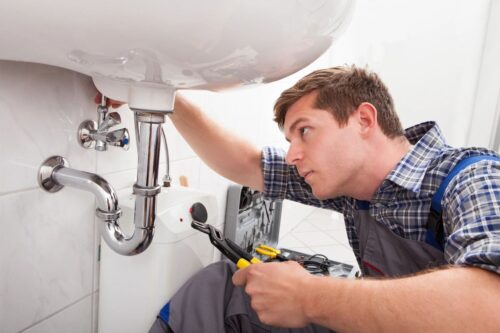
Drains that are sluggish, smell bad, or make strange noises aren’t just minor nuisances – they’re red flags that your plumbing system is struggling to handle wastewater safely and efficiently. This guide dives into the top five drain warning signs that scream “professional cleaning needed immediately.” We’ll break down why each symptom pops up, what you can safely do at home to get a handle on things before calling in the experts, and how to know when it’s time to bring in the pros. You’ll learn how slow drains, nasty odors, gurgling sounds, water backups, and recurring clogs point to issues like stubborn grease buildup, matted hair and soap scum, mineral deposits, invasive tree roots, or even problems with your main sewer line. Our goal is simple: help you spot problems early, take smart, safe temporary steps, and know exactly when to call for professional inspection and tools like camera inspections, snaking, or hydro-jetting to head off property damage and health hazards. We’ll cover the most common clogged drain warning signs, how to spot them early, a clear guide on when to call a plumber, the real benefits of professional cleaning, and a must-follow action checklist. Throughout, you’ll see key phrases like “clogged drain warning signs,” “when to call a plumber for clogged drains,” and “professional drain cleaning benefits” used naturally to help you pinpoint issues and take the right next step.
What Are the Most Common Clogged Drain Warning Signs?

This section lays out the top five clogged drain warning signs, explains the mechanics behind each one, and offers homeowners immediate, safe steps to triage the issue before reaching out to a professional. Understanding these symptoms helps you figure out if a simple DIY fix is in the cards or if the problem likely demands professional tools like a camera inspection or hydro-jetting. Take a quick look at the list below for a fast diagnosis, then dive into the H3 subsections for detailed tests, common causes, and safe next steps.
Here are the five most common clogged drain warning signs:
- Slow drainage — Water is taking noticeably longer to drain from your fixtures, indicating a partial blockage.
- Foul odors from drains — Persistent sewer-like or rotten smells often mean trapped organic matter or sewer gas is getting through.
- Gurgling sounds in drains — Air pockets and venting issues are causing noisy drains and signal a blockage further down.
- Water backing up in sinks or tubs — Visible backup is a serious red flag for a significant blockage, often in or near your main sewer line.
- Frequent clogs — Clogs that keep coming back suggest a larger, ongoing issue rather than a one-time obstruction.
The quick list above gives you a snapshot of urgent versus non-urgent signs, and the following subsections will expand on diagnostics, safe homeowner actions, and how to pinpoint the cause and scope of the problem.
How Does Slow Drainage Indicate a Blocked Pipe?
Slow drainage is a crystal-clear symptom: a partial blockage is narrowing your pipe’s effective diameter, slowing down water flow. This means fixtures empty much more slowly than they should. The process is simple – accumulated hair, grease, soap scum, or mineral buildup constricts the drainpipe, increasing friction and reducing flow speed. This effect is usually first noticed in fixtures closest to the clog. A straightforward diagnostic step is the multi-fixture test: fill one fixture with water, then run another nearby and watch both. If they both slow down simultaneously, it points to a shared blockage downstream. Safe homeowner triage includes using a cup of hot (but not boiling) water to help dissolve grease in kitchen drains and trying a plunger on sinks or tubs. Just be sure to avoid chemical drain cleaners, as they can harm your pipes and make professional repairs more complicated. If slow drainage is affecting multiple fixtures or doesn’t improve after these safe steps, it likely needs a professional camera inspection or snaking to find and clear the blockage.
Why Do Foul Odors Signal Drain Blockage?
Foul odors wafting from your drains usually stem from trapped organic matter, sewer gas escaping due to a faulty trap seal, or biofilm buildup inside the pipe – each indicating impaired flow or ventilation. When grease and food scraps pile up in kitchen drainpipes, they decompose and release smelly gases like sulfides. Bathroom drain smells often come from hair-and-soap buildup or a dried-out P-trap that allows sewer gases to escape. Safe immediate actions include ventilating the area, pouring water into sinks to refill the trap seal, and never mixing household chemicals, which can create toxic fumes. Persistent sewer-like smells across multiple fixtures suggest a problem with your main line or vent stack, warranting a professional inspection with diagnostic tools. Figuring out if the odor is localized or affects your whole system helps you decide if you can safely handle it yourself or if you need urgent professional service.
What Causes Gurgling Sounds in Drains?
Gurgling sounds from your drains happen when trapped air is forced through partial blockages, or when your venting system isn’t working properly, forcing air to travel through the water column elsewhere, creating noise. This mechanism signals resistance downstream. Common examples include a kitchen sink that gurgles when the washing machine drains, or a bathtub that makes bubbling sounds when a toilet is flushed, pointing to shared drain lines with a restriction. A quick home check involves observing which fixture gurgles during specific actions (like flushing a toilet or running the dishwasher) to help pinpoint the shared line. Short-term homeowner steps include clearing visible debris from the P-trap and ensuring roof vent stacks aren’t obviously blocked (but never climb on the roof if it’s unsafe!). However, persistent or worsening gurgling usually requires a professional diagnostic camera inspection and targeted cleaning, as air movement often precedes backups and sewer gas intrusion.
How Does Water Backup Show a Serious Drain Problem?
Water backing up into sinks, tubs, or basement floor drains is a serious symptom that points to a significant blockage or sewer line failure. It demands immediate attention to minimize contamination and property damage. The mechanism is straightforward: when outflow is blocked, wastewater seeks the path of least resistance, often returning to the nearest fixture. This creates unsanitary conditions, risks mold growth, and exposes you to sewage. Immediate homeowner mitigation includes stopping all water use, containing the affected area with absorbent materials, and avoiding contact with contaminated water. Absolutely do not try to clear a mainline clog with chemical drain cleaners. Because backups can signal main sewer line clogs, collapsed pipes, or root intrusion, professional intervention with mainline snaking, hydro-jetting, and a camera inspection is often the necessary next step to restore flow and sanitize affected areas.
When Do Frequent Drain Clogs Indicate Professional Help Is Needed?
Frequent clogs – meaning more than two or three in a season, or clogs that reappear within days of being cleared – signal underlying systemic issues. These could include compromised venting, significant grease buildup, recurring hair clogs, or sewer line problems that simple DIY fixes can’t solve. The reason is that temporary measures only address the symptom, leaving behind biofilm, grease layers, or root intrusions that quickly reform blockages. As a general rule, call a professional if clogs return within a month of clearing, affect multiple fixtures, or happen alongside odors or gurgling. Professional cleaning tackles the root cause using tools like augers, hydro-jetting, and camera inspections. Early professional diagnosis prevents issues from escalating to collapsed pipes or sewage backups and can help establish a maintenance schedule tailored to your property’s specific risks.
How Can You Identify Symptoms of Blocked Pipes Early?
Catching pipe blockages early means keeping an eye on various visible and behavioral cues inside and outside your home, using simple tests to see which fixtures are affected, and noting patterns so professionals can diagnose faster. Regular checks make repairs simpler by catching issues when they’re localized, not systemic. This section offers practical monitoring tips, visible signs to watch for, and safe steps you can take to gather useful information for your plumber.
What Are Visible Signs of Pipe Blockage Inside Your Home?
Visible signs inside your home include fixtures that consistently drain slowly, water stains under sinks, damp cabinets, black or green staining around drains, and unusual water level changes when multiple fixtures are used at once. These observations suggest water is escaping or pooling because of reduced outflow capacity or leaks near joints and fittings, and they often appear before odor or backup problems. To document issues before a service call, take photos or short videos showing water levels, staining, and the sequence of events when you run multiple fixtures. Include dates and times to highlight frequency patterns. Recording this information helps a technician prioritize where to focus their camera inspection and can speed up diagnosis by linking symptoms to likely pipe sections.
How Do External Drainage Problems Reflect Internal Blockages?
External indicators like standing water in your yard, soggy patches of lawn, unusually green grass in a specific area, or slow-draining exterior drains often point to sewer line leaks, root intrusion, or pipe collapse. The mechanism is consistent: when a sewer pipe leaks or backs up underground, water and nutrients escape into the surrounding soil, altering surface conditions. Safe checks include observing if lawn sogginess seems to correlate with indoor plumbing use (like showers or dishwasher cycles) and noting any new depressions or sinkholes. Because external issues typically require excavation and mainline inspection, these signs usually necessitate professional evaluation to pinpoint the failure, assess root damage, and recommend repair or targeted cleaning.
Can Unusual Drain Behavior Affect Multiple Fixtures?
Yes – unusual drain behavior across multiple fixtures (like slow flow in sinks, tubs, and basement drains all at once) indicates shared drainlines or a main sewer line restriction, which is more serious than a simple clog in a single P-trap. Plumbing systems connect fixtures to branch lines that feed into mainlines. A blockage downstream in a branch or mainline will cause related symptoms in fixtures along that path. A homeowner test is to run water in one fixture while watching others for level changes or gurgling, which helps map out the affected line. When multiple fixtures are involved, DIY measures rarely fix the root cause, and a professional camera inspection combined with mainline cleaning is the recommended next step to prevent backups.
What Health Risks Are Associated with Blocked Drains?
Blocked drains increase the risk of bacterial contamination, mold growth, and exposure to sewage-borne pathogens when backups occur. This poses respiratory and infectious hazards, especially to children, the elderly, and those with weakened immune systems. The reason is that stagnant water and decomposing organic matter are prime breeding grounds for bacteria and can release airborne spores and noxious agents. If you suspect contaminated backup, avoid direct contact with the water, ventilate the area thoroughly, and arrange for professional sanitation after the blockage is cleared and repairs are made. Early detection and professional cleaning reduce long-term exposure risks and prevent mold-related structural damage.
When Should You Call a Plumber for Drain Clog Issues?
This section provides a clear decision-making guide to help homeowners know when to move from safe DIY triage to professional service. It highlights urgent signs that need immediate attention and explains a sensible maintenance schedule. The goal is to help you balance safe homeowner actions with timely professional intervention to prevent damage and avoid higher repair costs.
What Are the Urgent Signs That Require Immediate Plumbing Service?
Urgent signs include sewage backing up into living spaces, repeated backups after temporary clearing, persistent sewer odors even after checking trap seals, gurgling sounds combined with slow drainage in multiple fixtures, and visible exterior sinkholes or saturated lawns near the sewer line. These symptoms indicate a major blockage, pipe collapse, or root intrusion that can cause structural damage and health hazards if not addressed quickly. Immediate homeowner actions involve stopping water use, containing spills, turning off sump pumps if contaminated, and avoiding chemical drain treatments that complicate later repairs. Because these signs often require mainline snaking, hydro-jetting, and camera inspection, professional service is the safest and most reliable response.
Before the following table, remember that urgent signs demand immediate action. The table clarifies why each sign is urgent and what homeowners should do right away.
| Urgent Sign | Why It’s Urgent | Immediate Homeowner Action |
|---|---|---|
| Sewage backup into home | Indicates a mainline blockage or sewer failure, posing contamination risks. | Stop all water use, contain the affected area, and avoid contact with the water. |
| Multiple fixtures backing up | Suggests a shared drain or mainline restriction that could worsen quickly. | Cease using all plumbing, note which fixtures are affected, and document the events. |
| Persistent sewer odor after trap checks | Possible vent failure or sewer gas entry, creating a health risk. | Ventilate the area, refill traps with water, and call for professional assessment. |
| Exterior sinkhole or saturated lawn | Possible sewer line break or collapse beneath the ground. | Avoid the area, do not plant or dig there, and request an immediate inspection. |
How Do You Decide Between DIY and Professional Drain Cleaning?
Make your decision based on the severity of the symptoms, how many fixtures are affected, how often the problem occurs, and the results of any safe DIY triage you’ve attempted. If a single fixture clogs and clears easily with a plunger or manual auger, and doesn’t recur, DIY is a reasonable approach. However, if multiple fixtures are involved, odors persist, or clogs return quickly, professional tools and diagnostics are essential. Safe DIY tactics include using a plunger, a manual drain snake for accessible traps, and flushing with hot water for grease. Avoid chemical drain cleaners and powered augers unless you’re trained, as they can damage pipes and complicate future repairs. If DIY steps don’t work or reveal larger issues, schedule a professional inspection and cleaning to prevent the problem from escalating.
- Use DIY for isolated, simple clogs: Try a plunger or manual snake first.
- Stop DIY and call a pro for systemic or persistent signs: This includes multiple fixtures affected, lingering odors, or ongoing recurrence.
- Avoid chemical cleaners and risky tools: These can damage pipes and hide the real problem.
Choosing the right approach prevents unnecessary damage and leads to faster, more cost-effective solutions, which is why a professional evaluation is often the smartest next step.
What Risks Come from Delaying Professional Drain Cleaning?
Delaying professional help allows blockages to worsen, increasing pressure on pipe joints and seams. This raises the likelihood of pipe collapse, worsening root intrusion, basement flooding, and extensive mold remediation costs. What starts as a minor flow reduction can turn into major structural and health damage if ignored. Financially, delayed cleaning usually means a larger repair scope and higher costs. Simple snaking jobs can turn into expensive hydro-jetting and excavation, and the lifespan of appliances connected to drains can be shortened. In practical terms, small clogs become lodged and collect more debris, so early professional intervention is often less expensive and less disruptive than emergency repairs done later. Understanding this escalation helps justify timely inspections when warning signs first appear.
How Often Should You Schedule Professional Drain Maintenance?
The recommended maintenance schedule depends on your property type and how it’s used. For typical single-family homes, annual inspections and cleaning are often sufficient. However, high-risk properties – those with older pipes, heavy kitchen grease use, or rental units – benefit from biannual or even quarterly maintenance. The reason for regular scheduling is to proactively remove biofilm and scale before they restrict flow or allow roots to enter. Factors that increase the need for more frequent service include frequent cooking with grease, large households, sewer lines running near trees, and older clay or cast-iron pipes. A customized maintenance plan, based on inspection findings and usage patterns, reduces emergency service calls and extends the life of your plumbing system.
What Are the Key Benefits of Professional Drain Cleaning?

Professional drain cleaning tackles the root causes of blockages, restores full flow, and uses diagnostic tools that prevent unnecessary or repeated repairs. This leads to better long-term performance and cost savings compared to sporadic DIY fixes. The main advantages include thorough removal of grease and biofilm, targeted treatment of root intrusion, objective diagnostic data from camera inspections, and efficient clearing using snaking or hydro-jetting when appropriate. Below is a comparison outlining common professional techniques, their best applications, estimated costs, effectiveness, and relative downtime, to help homeowners understand why professionals choose specific methods.
| Technique | Best Use Case | Typical Cost Range | Effectiveness |
|---|---|---|---|
| Camera inspection | Locating blockages, mapping pipe condition | Moderate | High (diagnostic) |
| Snaking / augering | Localized blockages (hair, small obstructions) | Low–Moderate | Moderate (may need follow-up) |
| Hydro-jetting | Grease, biofilm, scale, and root intrusion in mains | Moderate–High | Very high (thorough cleaning) |
| Mainline snaking (power auger) | Hard blockages in main sewer lines | Moderate | High (removes bulk obstructions) |
How Does Professional Cleaning Prevent Future Blockages?
Professional cleaning removes not only surface obstructions but also the biofilm, grease layers, and root sections that act as starting points for new clogs. By addressing these root causes, it significantly reduces how often clogs occur. The methods include mechanical removal with snaking and augering, high-pressure hydro-jetting that scours pipe walls clean, and camera inspections that identify damaged or collapsed pipe sections needing repair. Professionals can also recommend preventive measures like enzyme treatments, grease traps for commercial kitchens, and scheduled cleaning intervals. By clearing the underlying buildup and documenting the pipe’s condition, professional work reduces both the frequency of clogs and the risk of emergency backups.
What Tools and Techniques Do Professionals Use?
Professionals use a combination of diagnostic and cleaning tools: camera inspections to see inside pipes, drain snakes and augers to remove obstructions, and hydro-jetting to clear grease and scale from pipe walls. Each tool plays a specific role in diagnosis and remediation. Camera inspection is the diagnostic step that guides the choice of cleaning technique. Snaking is efficient for localized blockages, while hydro-jetting provides a more thorough clean for mainlines and grease-laden pipes. The table above summarizes when each method is best used and why professionals often pair camera work with cleaning to ensure long-term effectiveness. Understanding these tools helps homeowners appreciate why professional intervention typically resolves issues more completely than temporary DIY measures.
Does Professional Service Save Money Compared to DIY Repairs?
Yes – in many situations, professional service is more cost-effective in the long run because it addresses the root causes and avoids repeated DIY attempts that can damage pipes and make repairs more complicated. DIY chemical treatments or forceful methods can corrode pipe interiors, push blockages deeper, and mask symptoms that require camera diagnosis, leading to higher repair costs down the line. Professional cleaning often includes inspection and targeted removal, preventing the need for costly excavation and replacement. When you factor in your time, repeated DIY purchases, and the potential for escalating repair costs, a periodic professional maintenance plan usually offers a favorable return on investment for most homeowners.
What Are the Top Drain Blockage Indicators You Should Never Ignore?
This final H2 section consolidates the most critical indicators discussed earlier into a prioritized list and an immediate action checklist, so homeowners know which signs absolutely cannot be safely put off. It also maps common causes to the warning signs and recommends monitoring routines to catch problems early. The goal is to empower you to make rapid, safe decisions: what to do immediately, what to keep an eye on, and when to call in professional help.
When multiple warning signs appear together – like gurgling sounds, slow drainage in multiple fixtures, and persistent foul odors – the combined evidence strongly suggests a mainline or sewer line issue, rather than a simple clog in a single trap. Multiple concurrent signs compound the risk because they indicate the location and severity of the obstruction more reliably than a single symptom. For instance, gurgling combined with a basement floor drain backup points to a downstream mainline restriction and increases the urgency. Understanding these combinations of signs changes the recommended response from DIY to immediate professional assessment.
How Do Multiple Warning Signs Together Signal Serious Drain Issues?
Multiple concurrent warning signs indicate compound failure modes, such as a partially collapsed sewer pipe that causes slow flow, back pressure (gurgling), and leakage (odors or yard saturation). The presence of several symptoms at once reduces diagnostic ambiguity and increases the likelihood that a professional camera inspection will pinpoint the problem in a mainline or branch. An example is noticing slow drainage in both kitchen and bathroom fixtures, combined with a persistent sewer odor and occasional backup. This pattern suggests a downstream mainline restriction that a simple trap clearing won’t fix. Recognizing clustered signs speeds up decision-making and prevents wasting time on ineffective DIY fixes.
What Are the Most Common Causes Behind These Warning Signs?
Common causes include hair and soap buildup in bathroom branch lines, grease accumulation in kitchen drains, mineral scale deposits in older pipes, tree root intrusion into sewer lines, and pipe collapse due to age or ground shifting. Each cause typically presents with different symptoms: hair and soap usually lead to recurring bathroom clogs and slow drainage; grease causes kitchen odors and gradual flow reduction; roots often result in intermittent backups and external yard signs. Matching symptoms to likely causes helps determine whether snaking, hydro-jetting, or excavation is needed. Professionals use this cause-to-symptom mapping to plan the most effective, least invasive remediation.
| Cause | Typical Symptom | Likely Professional Method |
|---|---|---|
| Hair & soap buildup | Recurring bathroom clogs, slow showers | Snaking, targeted cleaning |
| Grease accumulation | Slow kitchen drains, foul odors | Hydro-jetting, grease trap advice |
| Mineral scale | Gradual flow reduction, older pipes | Hydro-jetting, replacement planning |
| Tree root intrusion | Intermittent backups, exterior lawn changes | Root cutting + hydro-jetting, repair |
| Pipe collapse | Frequent backups, external depressions | Camera inspection, excavation repair |
How Can Regular Monitoring Help Detect Drain Blockages Early?
Regular monitoring involves periodic checks of fixture flow, noting any slowdowns, recording instances of odors or gurgling, and photographing any unusual yard conditions. A simple monthly checklist helps catch early symptoms before they escalate: run multi-fixture tests, listen for gurgles, inspect under-sink cabinets for moisture, and note any lawn saturation. Logging dates and affected fixtures creates a history that professionals can use to pinpoint recurring issues and recommend the right maintenance schedule. Early detection through monitoring reduces the need for emergency services and supports a preventative maintenance mindset that extends pipe life.
Monitoring checklist:
- Run multi-fixture flow tests monthly and note any slowdowns.
- Check under-sink cabinets for dampness or staining.
- Listen for gurgling sounds during high-flow events like dishwasher or washing machine cycles.
- Inspect your yard for persistent wet spots after indoor water usage.
What Immediate Actions Should You Take When Warning Signs Appear?
When warning signs appear, follow a prioritized emergency checklist to protect your health and property: stop using affected fixtures, contain any backups, avoid chemical drain cleaners, and document the event with photos and notes to share with a technician. For non-severe single-fixture clogs, try safe DIY measures (plunger, manual snake, hot water flush), but stop if problems persist or spread to other fixtures. For urgent signs like sewage backup or multiple-fixture involvement, secure the area, avoid contact with contaminated water, and arrange for prompt professional service with local rapid response capabilities in Berks & Lancaster Counties. When you contact a local service, describe the symptoms, the fixtures involved, and include any photos or logs to speed up diagnosis and dispatch.
Immediate action checklist:
- Stop water use in affected areas to limit contamination and damage.
- Contain backups with towels and buckets, and protect floors and furnishings.
- Avoid chemicals and risky tools that may worsen damage or complicate repairs.
- Document and report the issue with photos, affected fixtures, and timing to help professionals diagnose it faster.
If warning signs point to urgent or systemic issues, schedule a professional inspection and cleaning through the service website or contact channel. Note that rapid local response options are available for residents in Berks & Lancaster Counties. Professional intervention minimizes further damage, clarifies the cause through camera inspection, and completes effective remediation using the appropriate technique, whether snaking or hydro-jetting.
This article has provided practical diagnostic steps, safe homeowner triage methods, cause-to-symptom mappings, and clear guidelines for when to call a professional, so you can detect drain problems early and get the right solution before small issues turn into costly emergencies.
Frequently Asked Questions
What should I do if I notice multiple warning signs at once?
If you notice multiple warning signs simultaneously, such as slow drainage, gurgling sounds, and foul odors, it indicates a more serious issue, likely involving the main sewer line. In this situation, it’s crucial to stop using water in affected areas immediately to prevent further complications. Document the symptoms and contact a professional plumber for a thorough inspection and cleaning. Addressing these signs promptly can prevent costly damage and health risks associated with sewage exposure.
How can I prevent future drain blockages?
Preventing future drain blockages involves regular maintenance and mindful usage. Implement a routine of monthly checks for slow drainage and odors, and use drain screens to catch hair and debris. Avoid pouring grease down the sink and consider using enzyme treatments periodically to break down organic matter. Additionally, scheduling annual professional inspections can help identify potential issues before they escalate, ensuring your plumbing system remains in good condition.
Are there any DIY methods to clear minor clogs?
Yes, there are several safe DIY methods to clear minor clogs. You can start by using a plunger to dislodge blockages in sinks or tubs. For kitchen drains, pouring a cup of hot (not boiling) water can help dissolve grease. A manual drain snake can also be effective for removing hair and small obstructions. However, avoid using chemical drain cleaners, as they can damage pipes and complicate future repairs. If these methods fail, it’s best to consult a professional.
What are the signs that indicate I need to replace my pipes?
Signs that may indicate the need for pipe replacement include frequent leaks, persistent slow drainage, and recurring clogs despite regular maintenance. Additionally, if you notice rust-colored water or a significant drop in water pressure, these could be indicators of deteriorating pipes. If your home has older plumbing, especially made from materials like galvanized steel or clay, consider having a professional evaluate the condition of your pipes to determine if replacement is necessary.
How does tree root intrusion affect my plumbing system?
Tree root intrusion can severely impact your plumbing system by infiltrating sewer lines and causing blockages. Roots seek moisture and nutrients, and when they penetrate pipes, they can create significant obstructions that lead to slow drainage, backups, and even pipe damage. If you suspect root intrusion, it’s essential to contact a professional plumber who can use specialized tools like hydro-jetting or root cutting to remove the roots and restore proper flow.
What are the health risks associated with blocked drains?
Blocked drains pose several health risks, primarily due to the potential for bacterial contamination and mold growth. Stagnant water and decomposing organic matter create breeding grounds for harmful bacteria, which can lead to respiratory issues and infections, especially in vulnerable populations like children and the elderly. If you experience sewage backups, it’s crucial to avoid contact with contaminated water and seek professional cleaning and sanitation to mitigate health hazards.
How can I document drain issues for my plumber?
Documenting drain issues effectively involves taking clear photos or videos of affected fixtures, noting any visible signs like water stains or dampness. Keep a log of when symptoms occur, including dates and times, and describe the sequence of events, such as which fixtures were used before the issue arose. This information will help your plumber diagnose the problem more quickly and accurately, leading to a more efficient resolution.
Conclusion
Recognizing the warning signs of clogged drains is essential for maintaining a healthy plumbing system and preventing costly repairs. By understanding symptoms like slow drainage, foul odors, and gurgling sounds, homeowners can take proactive measures to address issues before they escalate. Engaging a professional for timely drain cleaning not only restores functionality but also safeguards your home from potential damage. For expert assistance and to explore our range of plumbing services, contact us today.


