


Urgent Local Plumbing Services Available Now – Call 24/7
November 7, 2025
Services Offered by Trusted 24/7 Plumbing Emergency Experts
November 14, 2025Affordable 24/7 Emergency Plumbing for Homeowners in Berks and Lancaster Counties, PA
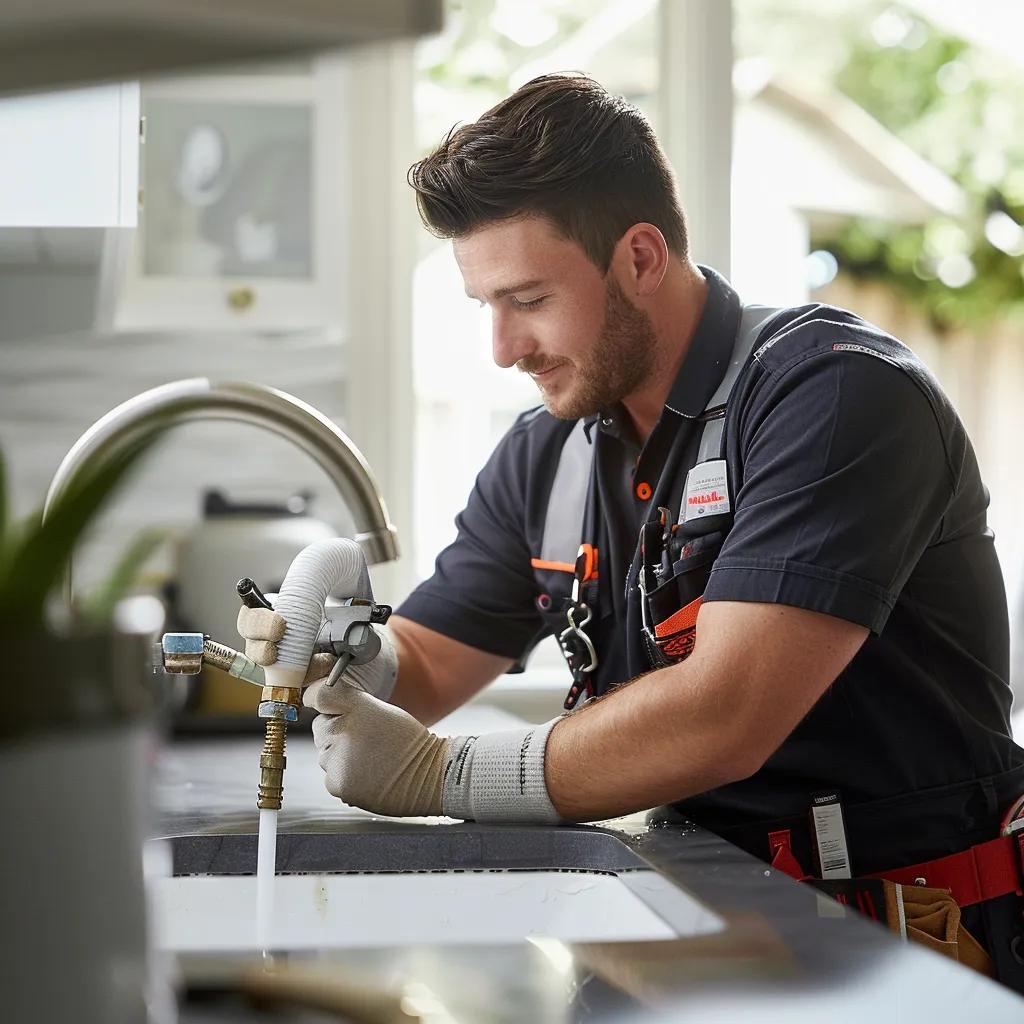
Plumbing emergencies — burst pipes, sewer backups, or sudden water‑heater failures — create immediate safety and property risks that need fast, affordable action. This guide shows homeowners how to spot common plumbing crises, what to do the moment an emergency starts, and how affordable emergency plumbing solutions work across Berks and Lancaster Counties. You’ll get clear triage steps, practical prevention tips to reduce repeat problems, and realistic cost ranges so you can make faster, less stressful decisions when time matters. We also explain how 24/7 response, same‑day service, and financing options can make urgent repairs manageable without cutting corners. Read on for quick definitions of emergency types, step‑by‑step actions to take before help arrives, transparent pricing guidance, suggested maintenance schedules, and straightforward advice for finding a licensed local emergency plumber.
What Are the Most Common Plumbing Emergencies Homeowners Face?

A plumbing emergency is any event that risks safety, causes active flooding, or creates a health hazard and needs immediate professional attention to prevent bigger damage. Knowing the most common emergency types helps homeowners prioritize safety and choose the right response — different failures call for different containment and repair steps. Causes vary: pipes can burst from excessive pressure or freezing, sewer backups come from clogged or damaged lines, and water‑heater failures often start with corrosion or thermostat problems. Spotting the category early shortens response time and reduces secondary damage like mold or structural rot.
Homeowners most often face a handful of urgent plumbing problems that need quick action to limit harm. The list below names the frequent emergencies and why each requires immediate attention.
- Burst pipes — sudden flooding and structural damage when a line fails from pressure or freezing.
- Sewer backups — raw sewage entering living areas creates serious health hazards and needs immediate containment and cleanup.
- Severe drain clogs — simultaneous backups across fixtures can signal deep blockages that must be cleared quickly.
- Water‑heater failures — leaks or ruptures can flood basements and create scald risks from uncontrolled hot water.
- Gas line leaks — a life‑threatening situation that requires evacuation and coordination with gas professionals.
These categories guide immediate triage and help you decide whether to shut off water, isolate power, or evacuate. Next, we cover the signs that mean you need 24/7 emergency service and how to spot early warning signals.
Which Plumbing Issues Require Immediate 24/7 Emergency Service?
Call for 24/7 emergency service when there is active flooding, a health hazard, or imminent structural risk that can’t wait for regular hours. Signs include visible water gushing from a pipe, soaking floors or walls, a strong gas smell, or sewage backing into fixtures. Quick mitigation reduces water intrusion, contamination, and follow‑on damage — for example, stopping a burst pipe fast prevents framing and insulation from saturating and cutting down the chance of mold. If you’re unsure, treat the situation as an emergency: shut off water if it’s safe, isolate electrical power if water is contacting outlets, and contact an emergency plumbing provider immediately.
Knowing these criteria helps you choose between an immediate emergency call and scheduling a standard repair — a distinction that can save money and reduce the scope of permanent fixes later.
How Can Homeowners Identify Signs of Burst Pipes and Sewer Line Backups?
Early detection often prevents bigger failures. Burst pipes typically show up as sudden drops in water pressure, unexplained wet spots, rushing water sounds inside walls, or water pouring from a fixture. Sewer backups usually reveal themselves with foul odors, gurgling drains, sewage or gray water in low points like floor drains or basement toilets, and slow drainage across multiple fixtures. Combining what you see, smell, and hear with system behavior (like a sudden pressure loss or simultaneous backups) points to the likely source and severity.
Spotting these signs early lets you isolate the affected area, limit contamination spread, and document symptoms for the technician. Note when the issue began, which fixtures are affected, and any unusual sounds — that information gives the plumber a head start and can speed repairs.
How Does Plumbing Plus Provide Affordable 24/7 Emergency Plumbing Services?

Affordable 24/7 emergency plumbing pairs fast dispatch, experienced technicians, and clear pricing so repairs happen quickly and cost predictably. Plumbing Plus serves as an information and lead hub highlighting round‑the‑clock availability, same‑day response, and financing options to make urgent repairs accessible. The model focuses on licensed technicians, workmanship guarantees, and practical temporary measures followed by permanent repairs when needed. Clear communication about what an emergency visit covers and realistic timelines keeps costs more predictable and reduces homeowner stress.
Below is a short table explaining the core emergency services Plumbing Plus highlights, what each covers, and the typical timeline for initial response and stabilization.
| Service | What it Covers | Typical Timeline |
|---|---|---|
| Burst pipe repair | Locate the rupture, stop the flow, perform temporary containment, then repair or replace permanently | Immediate response; stabilization within 1–3 hours |
| Sewer backup clearing | Remove blockage, perform camera inspection, provide temporary sanitization and follow‑up repairs | Same‑day clearing; further repairs within 1–3 days |
| Water heater emergency service | Diagnose leaks or failures, perform repairs or arrange replacement | Initial diagnosis same‑day; repairs within 1–2 days |
| Severe clog service | Hydro‑jetting or mechanical clearing of critical obstructions | Same‑day clearing in many cases |
This comparison shows how different emergency services focus first on rapid stabilization, then on full restoration — keeping initial costs lower and preventing escalation. Plumbing Plus prioritizes quick triage and clear next steps so homeowners know what to expect during and after the visit.
What Makes Our Emergency Plumbing Service Fast, Reliable, and Licensed?
Speed and reliability come from an organized dispatch process, seasoned technicians, and strict safety and compliance standards. A professional dispatch system prioritizes emergencies and routes nearby qualified technicians to the site, reducing travel time and speeding stabilization. Licensed techs use diagnostic tools like sewer cameras and hydro‑jetters to find problems fast and avoid unnecessary work. Workmanship guarantees and a customer‑first approach aim to get repairs right the first time, cutting down repeat visits and total cost.
Reliability also depends on transparency: outlining the diagnosis, options, and timeline during the first visit reduces uncertainty and helps homeowners make faster decisions. These operational features make affordable emergency plumbing practical by limiting unnecessary work and uncontrolled cost increases.
Which Emergency Plumbing Repairs Do We Specialize In?
We focus on high‑impact repairs that cause the most damage when delayed: burst pipe mitigation, sewer line clearing and repair, water‑heater emergency service or replacement, gas‑line leak triage (with gas professionals), and severe drain clogs needing hydro‑jetting or mechanical clearing. Most emergency jobs start with temporary stabilization — shutting off flow, containing contaminated water, or isolating a failing component — followed by a plan and schedule for permanent repair.
Specializing in these high‑risk repairs shortens repair time because technicians arrive with the right tools and diagnostic approach. Clear separation between emergency stabilization and permanent restoration also helps homeowners budget and consider financing when immediate replacement is required.
What Should Homeowners Do Before the Emergency Plumber Arrives?
While you wait for the plumber, focus on safety, containment, and gathering information to reduce damage and speed diagnosis. Find and turn off the main water shut‑off, move valuables out of harm’s way, and document visible damage. If water is reaching electrical panels or outlets, turn off the electricity at the breaker from a dry spot; if you smell gas, evacuate and contact the gas provider before anyone returns. Clearing a path to the affected area helps technicians get to work faster and shortens repair time.
Use this simple checklist for prioritized actions while waiting for professional help.
- Shut off the main water supply if it’s safe to do so to stop active flooding and limit structural damage.
- Contain standing water with towels, buckets, and temporary barriers to protect floors and belongings and limit contamination.
- Move valuables and electronics to a dry area and open windows if it’s safe to ventilate odors.
- Document the event with photos and notes about when it began and which fixtures are affected.
- Isolate power or evacuate if water reaches outlets or you smell gas — prioritize personal safety over property.
These actions reduce immediate damage and give technicians a clearer picture on arrival. Basic containment and safety measures often shorten the emergency visit and shrink the scope of permanent repairs.
How to Shut Off Water and Contain Damage During a Plumbing Emergency?
Turning off the water quickly is the best first step: locate the main shut‑off near the meter or where the supply enters your home and turn it clockwise to stop flow; fixture shut‑offs under sinks and behind toilets can isolate a single leak without cutting water to the whole house. After shutting off flow, contain water with buckets and towels, raise carpets and furniture on blocks, and cover valuables with plastic sheeting to limit absorption. For water heaters, turn off the cold water feed and switch off the unit’s power or gas to prevent scalding and further leaks.
Effective containment limits immediate loss and keeps restoration manageable, which also eases insurance claims and reduces repair scope. Knowing valve locations in advance is a small preventive step that shortens response time in an emergency.
| Action | Purpose | Required Tools/Supplies |
|---|---|---|
| Main water shut-off | Stop active flooding | Adjustable wrench, flashlight |
| Fixture shut-offs | Isolate single fixture leaks | Small wrench or pliers |
| Temporary containment | Protect floors and belongings | Towels, buckets, plastic sheeting |
| Power isolation (if safe) | Prevent electrocution | Know where your breaker panel is |
Keeping these tools handy and knowing how to operate valves turns homeowner actions into effective mitigation steps that technicians can build on when they arrive. A prepared homeowner reduces emergency duration and helps focus professional effort on permanent repair.
What Are Essential Items for a Home Plumbing Emergency Kit?
A compact emergency kit helps stabilize many common plumbing problems while you wait for help: include an adjustable wrench for shut‑off valves, pipe repair clamps or rubber and hose clamps for temporary seals, plumber’s tape for small leaks, rubber gloves for sanitation, buckets for containment, and absorbent towels or pads to protect floors. Store the kit in a labeled, easy‑to‑reach spot near the main shut‑off or utility area so you can grab it quickly in a crisis.
Keep the kit stocked and practice valve operation quarterly so you can act fast when an emergency occurs. A small investment in supplies often prevents larger losses and speeds initial mitigation before professional repairs begin.
How Much Does Affordable Emergency Plumbing Cost in Berks and Lancaster Counties?
Emergency plumbing costs depend on urgency, repair complexity, parts, and diagnostics; prices vary by emergency type and time of service. The table below summarizes typical repair types, representative local price ranges, and expected initial response windows to help you set realistic expectations. These ranges are intended to be transparent so you can compare options and consider financing if immediate replacement is needed.
| Emergency Repair Type | Typical Price Range (Labor & Parts) | Typical Response Time |
|---|---|---|
| Minor leak repair / fixture | $150–$450 | Same‑day to 24 hours |
| Burst pipe stabilization & repair | $500–$2,500 | Immediate same‑day |
| Sewer backup clearing & inspection | $300–$1,500 | Same‑day to next‑day |
| Water heater emergency repair/replacement | $400–$2,500+ | Same‑day diagnosis |
| Severe clog / hydro‑jetting | $250–$1,200 | Same‑day availability |
Knowing how emergency services are priced helps you budget and make informed decisions during a stressful situation.
Emergency Plumbing Service Costs: Labor, Trip Charges, and Parts
Invoices should be itemized with a breakdown by number of labor hours (regular or emergency), trip charge, and parts/materials at cost plus stated markup.
Provision of Inspection, Maintenance & Repair of Boilers and Water Heaters on an Annual Contract with, 2016
What Factors Influence Emergency Plumbing Repair Costs?
Primary cost drivers include time of day and emergency status (off‑hours and weekend calls often carry surcharges), diagnostic complexity (camera inspections and leak detection lower guesswork but add cost), parts and materials, and any structural or containment work (drying, mold mitigation). Geographic factors like travel distance and local permit needs can also affect the final bill. Understanding these drivers helps you evaluate estimates, ask the right questions, and decide whether temporary stabilization or full replacement is the most cost‑effective route.
How Can Homeowners Use Financing Options for Emergency Plumbing Repairs?
Financing spreads repair costs over time and reduces immediate out‑of‑pocket strain; options often include short‑term payment plans or financing offered through service providers for larger repairs or replacements. Approval typically requires a simple application, and financed repairs can usually be scheduled once terms are agreed. Financing major emergency replacements — like a failed water heater or extensive sewer work — lets homeowners address safety needs without delay.
If you use financing, request clear terms, compare interest rates and payment schedules, and confirm that financed work is guaranteed and scheduled promptly to avoid ongoing hazards. Financing can make urgent repairs feasible while protecting household cash flow and preventing costly delays.
How Can Homeowners Prevent Future Plumbing Emergencies?
Preventing future emergencies combines seasonal prep, routine inspections, and targeted maintenance that address common failure points. Winterizing exposed pipes, insulating supply lines, and maintaining steady indoor temperatures reduce freeze‑related bursts. Regular drain cleanings and avoiding grease or inappropriate items down drains limit sewer backups and severe clogs. Camera inspections for older sewer lines can catch root intrusion or deterioration long before a full backup.
Balance DIY checks with professional service: perform monthly visual inspections and annual system flushing, and schedule professional inspections every 1–3 years depending on system age and usage. This hybrid approach lowers emergency frequency and keeps long‑term repair costs down.
What Are Effective Tips for Preventing Burst Pipes and Sewer Backups?
Combine environmental control with smart usage habits: insulate pipes in unheated areas, keep indoor temperatures steady during cold snaps, and disconnect and drain outdoor hoses before freeze season. To reduce sewer backups, avoid flushing large amounts of paper products, grease, or non‑biodegradable items and use drain strainers to catch solids. If you have mature trees near sewer lines, schedule periodic camera inspections to detect root intrusion early and prevent costly collapse.
These steps lower the chance of sudden failures and reduce the need for emergency interventions. When in doubt, schedule a preventative inspection — catching a developing problem early is far less expensive than repairing a full failure.
How Does Regular Water Heater Maintenance Reduce Emergency Repairs?
Regular water‑heater maintenance — flushing sediment, checking and replacing the anode rod, and testing the pressure‑relief valve — extends unit life and prevents sudden failures. Sediment accelerates corrosion and lowers efficiency, which in extreme cases can lead to overheating and rupture. Routine maintenance also uncovers early signs like small leaks, rusted fittings, or thermostat issues so you can plan repairs instead of facing an emergency replacement.
Adopting an annual maintenance plan for your water heater reduces unexpected downtime and spreads repair costs predictably, giving you control over budgeting and scheduling replacements when the time comes.
Where Does Plumbing Plus Offer Emergency Plumbing Services in Berks and Lancaster Counties?
Plumbing Plus provides 24/7 emergency coverage across Berks and Lancaster Counties and nearby areas, focusing on rapid same‑day response for urgent plumbing problems. Coverage is organized around local dispatch so nearby technicians can reach homes quickly; homeowners should confirm current availability when reporting an emergency. The company highlights core capabilities — 24/7 emergency response, same‑day service, licensed technicians, guaranteed workmanship, and financing options — to make urgent repairs both accessible and manageable for local residents.
Which Towns and Cities Are Covered by Our 24/7 Emergency Plumbing Service?
Plumbing Plus serves the two‑county region, offering emergency and same‑day responses designed to reach most populated areas within Berks and Lancaster Counties and nearby communities. Availability varies with demand and location, so describe your exact address and emergency details when requesting service to confirm dispatch times. Local technicians and a focus on quick stabilization help reduce travel delays that can increase emergency severity and cost.
Residents in population centers typically get the fastest response; more remote locations may require slightly longer travel windows. Calling as soon as you notice an emergency speeds dispatch and reduces water or contamination damage.
How to Find an Affordable Emergency Plumber Near Me in Berks and Lancaster Counties?
When vetting an affordable emergency plumber, prioritize transparent pricing, proper licensing, clear guarantees, and a proven 24/7 or same‑day response. Look for providers that explain diagnostic steps, list emergency services (burst pipe repair, sewer backup clearing, water‑heater emergency service), and offer financing for larger repairs. Confirm that technicians are licensed and that workmanship guarantees are clearly stated — these factors reduce the chance of repeat service and unexpected charges.
- Make sure the provider offers 24/7 emergency response and same‑day service.
- Verify licensing and ask about guarantees on repairs and workmanship.
- Request clear, itemized estimates and ask about financing for larger jobs.
These vetting steps help you choose a reliable local professional who balances cost, speed, and quality. If you need immediate help, describe symptoms clearly, ask for an estimated response time, and confirm financing availability to make urgent repairs manageable. Plumbing Plus emphasizes affordable, rapid emergency response with licensed technicians and financing options to reduce homeowner stress — request same‑day booking or call for emergency assistance when immediate help is required.
Frequently Asked Questions
What should I include in my home plumbing emergency kit?
Build a compact kit to stabilize common issues while you wait for a pro. Include an adjustable wrench for shut‑off valves, pipe repair clamps or rubber/hose clamps for temporary seals, plumber’s tape for small leaks, rubber gloves for sanitation, buckets for containment, and absorbent towels or pads to protect floors. Keep the kit labeled and near the main shut‑off so you can grab it quickly, and check supplies regularly.
How can I prepare my plumbing system for winter?
Winter prep helps prevent burst pipes and cold‑weather emergencies. Insulate exposed pipes in unheated spaces like basements and attics, disconnect and drain outdoor hoses, and keep your thermostat at a steady temperature even when you’re away. During extreme cold, letting faucets drip slightly keeps water moving and reduces pressure buildup. Simple winterization and regular maintenance can save you from costly repairs.
What are the signs that my water heater needs maintenance?
Watch for noises like popping or rumbling (sediment buildup), leaks at the base of the unit, reduced hot‑water supply, rust‑colored water, or unusual odors. These signs point to sediment, corrosion, or failing components. Schedule annual maintenance to catch issues early, extend the unit’s life, and ensure reliable operation.
How can I find a reliable emergency plumber in my area?
Ask friends and family for recommendations and check online reviews. Verify the plumber is licensed and insured, and look for clear pricing and workmanship guarantees. Confirm they offer 24/7 emergency service and can respond quickly. A careful vetting process helps you find a trustworthy professional when time is critical.
What preventative measures can I take to avoid sewer backups?
To reduce sewer backups, avoid flushing non‑biodegradable items like wipes and feminine products, don’t pour grease down drains, and use strainers to catch debris. Schedule periodic sewer inspections, especially if you have mature trees near your line, as roots can intrude and cause blockages. Regular maintenance significantly lowers the risk of costly backups and health hazards.
What should I do if I smell gas during a plumbing emergency?
If you smell gas, leave the area immediately and don’t use electrical devices or switches. From a safe distance, call your gas provider and emergency services to report the leak. Do not return until professionals have inspected and cleared the scene. Regularly checking gas lines and appliances for leaks helps prevent dangerous situations.
Conclusion
Prompt action is key to minimizing damage and keeping your family safe during plumbing emergencies. Affordable emergency plumbing in Berks and Lancaster Counties offers fast response, clear pricing, and expert repairs to help restore normalcy quickly. Being prepared, knowing what to do, and choosing a licensed local provider can reduce stress and long‑term costs. For immediate assistance or to learn more about our services, contact us today and keep your home safe and functional.


