


Affordable Emergency Plumbing Solutions for Homeowners
November 11, 2025
Fast Solutions: Emergency Plumbing Services Local to You
November 18, 2025What Services and Guarantees to Expect From a Top 24/7 Emergency Plumbing Service
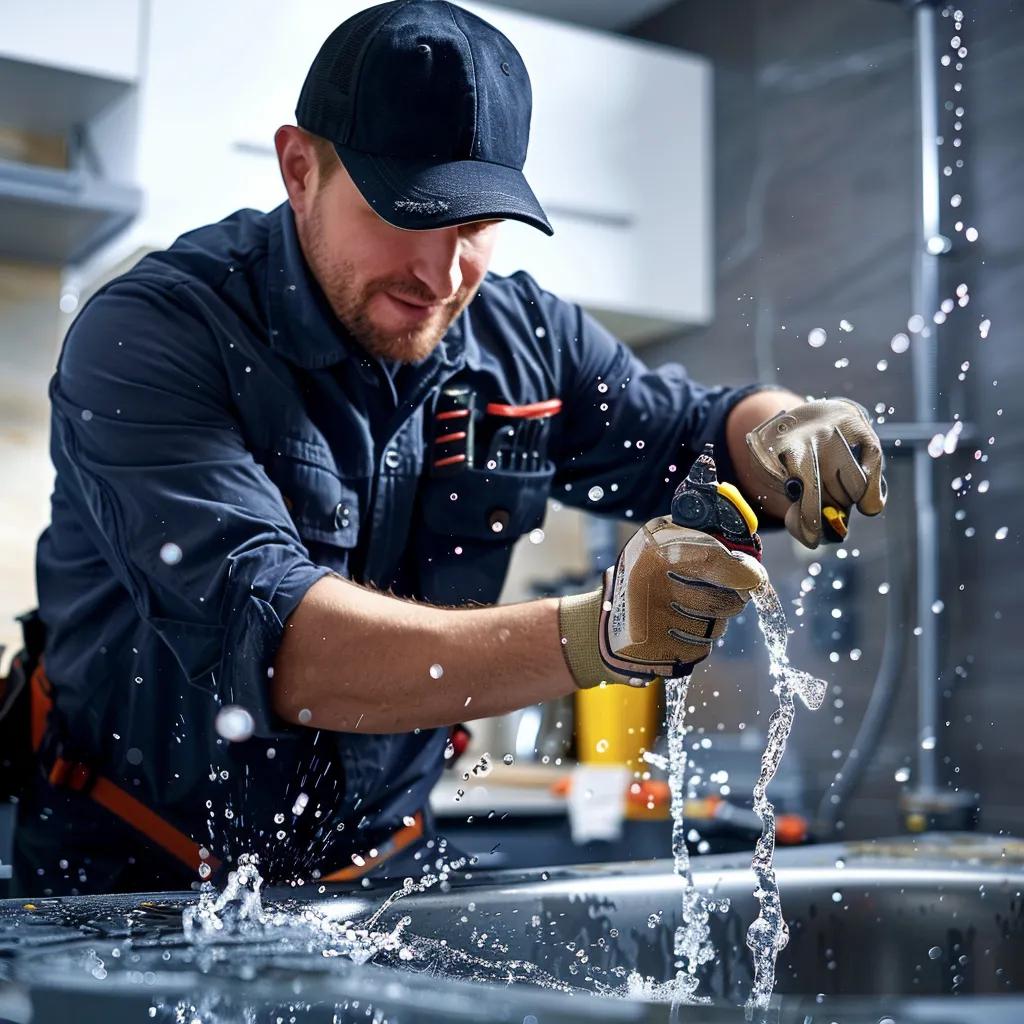
A 24/7 emergency plumbing service is a specialized team that answers urgent plumbing failures that threaten safety, property, or essential systems—things like burst pipes, sewer backups, gas leaks, or a failed water heater. This guide explains what counts as a plumbing emergency, the common repairs and diagnostic steps technicians use, how emergency costs are broken down and financed, and the customer protections a reputable company should offer. Homeowners and property managers need clear triage steps, transparent pricing, and confidence that repairs will be done right. Read on for step-by-step actions, realistic expectations for response and repair, and practical advice for reducing damage and stress during an emergency.
What Qualifies as a Plumbing Emergency?

A plumbing emergency is any failure that creates an immediate risk to people, health, or a building’s structure and can’t wait for regular business hours. These incidents usually involve rapid water intrusion, sewage exposure, combustible gas, or critical system failure (for example, a water heater that’s leaking or electrically unsafe). Knowing the difference between urgent and non-urgent problems helps you act quickly when it matters and avoid unnecessary alarms when it doesn’t. Below are common emergency situations with quick actions you can take, followed by simple triage rules to help you decide whether to call emergency services now or schedule a routine visit.
Quick list of urgent scenarios and one-line actions you can take before help arrives:
- Burst pipes: Turn off the main water and open nearby faucets to relieve pressure.
- Sewer line backup: Stay away from wastewater, catch overflow in buckets, and keep people and pets clear.
- Severe drain clog with overflow: Stop using the fixtures and collect runoff in containers.
- Toilet overflows that won’t stop: Close the toilet shutoff valve and do not flush.
- Water heater failure with leaks or loss of hot water: Shut off the power or gas and isolate the water supply if it’s safe.
- Gas line leak: Leave the building immediately, avoid switches and flames, and call for help from a safe distance.
These situations need fast action. Plumbing Plus responds to these types of emergencies — see the service details below for what to expect and how to contact us in an urgent situation.
Which Plumbing Issues Require Immediate 24/7 Attention?
Burst pipes, active sewage backups, a clear gas odor, large sudden leaks, and water heater failures that involve leaks or electrical/gas dangers all require immediate 24/7 attention. Each of these can quickly worsen and cause serious damage or health risks. A burst pipe typically shows high-pressure water, wet ceilings, or visible spurting and should trigger shutting off the main water and calling for emergency help. Sewer backups produce foul smells, raw sewage and health hazards—avoid contact and contain overflow if possible. Gas leaks often smell like rotten eggs, may be accompanied by hissing, or cause dizziness—evacuate and notify the utility before attempting any repairs. These examples show the key symptoms, risks, and the single most important action a homeowner should take while waiting for responders.
How to Differentiate Between Emergency and Non-Emergency Plumbing Problems?
Decide between emergency and non-emergency problems using three simple questions: Is anyone at immediate risk? Will property suffer rapid damage? Is a critical service (hot water, waste containment) lost now? For example, a slow drip under a sink is usually non-urgent and can wait for scheduled service, while a large leak soaking floors and ceilings is urgent because of rapid damage risk. Non-urgent examples include slow drains, minor drips, and cosmetic fixture leaks that don’t affect safety or daily use—these can be noted and scheduled during regular hours. Use these triage rules to decide whether to shut off valves, evacuate, or call for emergency dispatch so resources go where they reduce the most harm.
What 24/7 Emergency Plumbing Services Does Plumbing Plus Provide?
Top emergency plumbing services combine fast diagnostics, temporary mitigation, and permanent repairs to stop damage and restore safe operation. The usual workflow is triage, diagnostic inspection, temporary containment, and then a definitive repair or replacement. Emergency techs arrive with leak detectors, video inspection cameras, and temporary repair kits—everything needed to isolate and control the failure before completing longer-term fixes. Quick containment reduces water damage and health exposure while diagnostics identify the root cause so the right repair plan is chosen.
Below is a practical comparison of common emergency service types, their typical symptoms, and realistic immediate response timeframes so homeowners know what to expect.
The table below compares emergency types, symptoms, and immediate response actions.
| Emergency Type | Typical Symptoms | Typical Immediate Response & Repair Time |
|---|---|---|
| Burst Pipe | Sudden, high-volume water flow; visible rupture; wet ceilings or walls | Shut off water, temporary clamp or bypass; initial mitigation often within 30–90 minutes depending on access |
| Sewer Line Backup | Raw sewage smell, toilet or sink overflow, slow drains in multiple fixtures | Containment and pump-out, clearing and camera inspection to locate blockage |
| Water Heater Failure | No hot water, visible leaks, tripped breakers or gas shut-off | Isolate power/gas and water, apply temporary bypass or evaluate for replacement |
| Severe Drain Clog | Multiple fixtures backing up, gurgling, little or no drainage | Mechanical snaking or hydro-jetting to clear and restore flow |
| Gas Line Leak | Rotten-egg odor, hissing, occupants feeling faint or dizzy | Evacuate and ventilate if safe, coordinate with utility, repair once area is declared safe |
This table explains how crews prioritize containment and diagnostics before completing final repairs. Next, we outline how a rapid-response team is organized and what to expect when a technician arrives on site.
How Does Plumbing Plus Ensure Rapid Response and Immediate Assistance?
A dependable emergency response starts with 24/7 dispatch, on-call technicians carrying diagnostic and mitigation gear, and clear communication about arrival times and initial actions. Calls are triaged for severity and ETA, then a crew is sent with tools such as portable video cameras, leak detectors, and temporary repair kits to limit damage immediately. Expect an initial containment effort—shutting valves, clamping pipes, or pumping out backups—followed by diagnostic imaging or testing to identify the permanent repair needed. This predictable workflow shortens resolution time, reduces secondary damage, and keeps homeowners updated on next steps and timing.
What Specific Emergency Repairs Are Included?
Emergency work may be temporary or permanent depending on safety and urgency. Temporary fixes—patches, clamps, bypasses—stop immediate loss; permanent solutions—pipe replacement, sewer relining, water heater replacement—restore long-term reliability. For burst pipes, techs may clamp and reroute flow to stop damage, then schedule a full replacement after inspecting the pipe’s condition. For sewer backups, crews perform initial clearing and camera inspection, then target repairs if roots, breaks, or collapses are found. Water heater issues may be resolved with element or valve replacements when safe, but if the tank is compromised a full replacement is usually recommended. Technicians will explain repair-versus-replace options based on condition and risk.
What Guarantees and Customer Protections Does a Top Emergency Plumber Offer?

A top emergency plumber offers workmanship and satisfaction protections so homeowners can trust the repair will last and any recurring issues will be addressed. Key protections include a workmanship guarantee for repair quality, a customer satisfaction policy with callbacks or rechecks, and proper liability and insurance coverage for work done on site. Clear explanations of what’s covered, how to request reservice, and what documentation you’ll receive (photos, estimates, inspection footage) help reduce friction and build trust after a stressful event.
Below is a concise table outlining typical guarantee elements.
| Guarantee Type | Coverage Details | Duration / Scope |
|---|---|---|
| Workmanship Guarantee | We stand behind the quality and installation of our repairs | All work is guaranteed (terms apply; contact provider for specifics) |
| Customer Satisfaction Policy | Callbacks and corrective service if the problem recurs after an emergency repair | Re-service offered per company policy to resolve recurring issues |
| Liability & Insurance | Protection for accidental damage during repairs and adherence to safety protocols | Technicians follow safety standards and carry required insurance |
| Diagnostic Accuracy | Root-cause identification using video and detection tools | Video inspections and documentation reduce misdiagnosis risk |
This table sets expectations: guarantees usually cover workmanship and corrective service, while diagnostics and documentation provide the evidence you need for warranty claims.
The section below explains what “all work is guaranteed” looks like in practice and how to use those guarantees to reduce your risk.
What Does the Plumbing Plus Workmanship Guarantee Cover?
When a company says “all work is guaranteed,” it means they commit to fixing defective workmanship and standing behind parts and labor used during the emergency repair. That lowers the chance you’ll have to hire someone else if the issue reappears. In practice, technicians should record the initial problem, explain what was done, and give clear instructions for requesting follow-up service if something goes wrong. Homeowners should have a phone number to report recurring problems and expect prompt guidance on next steps, including re-inspection. Documentation and timely callbacks are what make a workmanship guarantee meaningful.
How Does Plumbing Plus Ensure Customer Satisfaction During Emergencies?
Customer satisfaction in emergencies depends on clear estimates, photo or video documentation, honest communication about temporary versus permanent fixes, and an easy reservice path if problems persist. Technicians who show diagnostic evidence (like camera footage), explain options, and outline timelines build trust during a stressful event. Follow-up calls to confirm the repair held and to check for secondary damage reinforce the provider’s commitment and help catch any warranty work early. These practices make satisfaction guarantees practical, not just promotional language.
How Are Emergency Plumbing Costs Structured and What Financing Options Are Available?
Emergency plumbing invoices typically include separate items: a call-out or dispatch fee, diagnostic inspection, labor (hourly or flat), parts and materials, and possible after-hours or emergency surcharges. Knowing these components helps you anticipate costs and decide between temporary containment and full replacement. Financing can turn a large immediate expense into manageable monthly payments, which prevents delaying critical repairs that could cause more damage.
Below is a simple breakdown of cost components and the factors that influence them.
| Cost Component | What It Covers | Typical Cost Range / Factor |
|---|---|---|
| Call-out / Dispatch Fee | Technician travel and initial on-site assessment | Varies by distance and urgency |
| Diagnostic Inspection | Camera work or leak detection to pinpoint the problem | Depends on tools used and complexity of the job |
| Labor | Time spent repairing or mitigating the issue (hourly or flat-rate) | Varies with task difficulty and access |
| Parts & Materials | Replacement pipes, valves, fittings, or other components | Costs vary by material, brand, and availability |
| After-hours / Emergency Surcharge | Premium for nights, weekends, or holiday response | Additional percentage applied to base charges |
This breakdown helps explain how accessibility, part availability, and time of day can raise the final price.
- Severity of damage: Replacements cost more than small repairs.
- Accessibility: Hard-to-reach or buried pipes increase labor and time.
- Replacement vs. repair: New components and full replacements add parts and labor.
- Time of day: Nights, weekends, and holidays often carry surcharges for emergency availability.
Financing spreads a larger repair bill into monthly payments, which can prevent delaying an urgent replacement that might otherwise cause more damage. Ask your provider for financing details when reviewing repair options so you understand monthly payments, term length, and any credit requirements.
What Factors Influence the Cost of Emergency Plumbing Services?
Main cost drivers are severity, accessibility, required materials, and timing. A temporary clamp on an easy-to-access pipe is much cheaper than digging out and replacing a collapsed sewer under a slab. Emergency response can also require expedited parts or specialty equipment—hydro-jetting or camera inspections—that increase costs. After-hours work typically includes surcharges for on-call staffing. Knowing these factors helps you weigh temporary containment against immediate full replacement to balance cost and risk.
How Can Financing Help Manage Unexpected Emergency Plumbing Expenses?
Financing lets you approve necessary emergency work now and pay over several months, which reduces the temptation to delay repairs that could make things worse. Typical financing options include partner plans or third-party lenders with a short approval process. Financing is most useful for large replacements—water heaters, sewer lines, full pipe runs—while small repairs are often paid at the time of service. When comparing financing, check total repayment cost, approval speed, and any credit requirements so you choose the most cost-effective option that restores safe operation quickly.
Why Choose Plumbing Plus as Your Reputable 24/7 Emergency Plumbing Service in Berks & Lancaster Counties?
Using a local, 24/7 emergency provider delivers faster response, knowledge of regional issues, and easier coordination with local suppliers and utilities. Plumbing Plus focuses on round-the-clock availability, quick response times, full emergency services, a customer satisfaction guarantee, financing for large repairs, and hands-on experience serving Berks and Lancaster Counties. Those qualities shorten downtime and reduce uncertainty during emergencies, helping you move from triage to a durable repair faster.
Local advantages you should expect from a regional emergency provider:
- 24/7 availability for incidents that can’t wait for business hours.
- Fast response and on-call technicians ready to limit damage quickly.
- Local knowledge of seasonal issues and established contacts with utilities and suppliers.
Those benefits make a measurable difference in limiting damage and restoring function, and they inform the qualifications you should seek in licensed emergency technicians.
What Qualifications and Experience Do Plumbing Plus Licensed Plumbers Have?
Licensed emergency plumbers should hold appropriate trade licenses, be trained in emergency diagnostics and safety protocols, and have experience performing temporary mitigation and permanent repairs under pressure. Technicians skilled in video pipe inspection, leak detection, and emergency water-damage control can find root causes and limit secondary damage quickly. For customers, that means safer work on-site, code-compliant repairs, and clear explanations of repair options and risks. Local crews serving Berks and Lancaster Counties typically have faster parts access and familiarity with regional materials and failure modes.
How Does Local Knowledge Improve Emergency Plumbing Service Quality?
Local knowledge shortens response times and improves repair accuracy because technicians understand common regional problems—like freeze-thaw damage—and have quick access to community suppliers and utilities. Familiarity with local infrastructure often leads to faster diagnosis and simpler, more cost-effective solutions that respect local building practices. When gas or sewer lines are involved, coordination with utilities is smoother if the provider has established local relationships. That local edge cuts downtime and usually reduces overall disruption and cost for homeowners.
What Should You Do While Waiting for an Emergency Plumber to Arrive?
While waiting for help, a few prioritized actions can greatly reduce damage and protect health: isolate water and gas sources if it’s safe, move valuables away from the affected area, and contain leaks with buckets, towels, or temporary barriers. Preparing the site and information for arriving technicians also speeds repairs—clear the work area, have account or insurance details ready, and secure pets. These practical steps minimize structural and content damage before professional mitigation begins.
Immediate action steps in order of priority:
- Shut off the main water supply if a pipe has burst and you can do so safely.
- Turn off electrical power to wet areas and the appliance circuit if water is close to electrical systems.
- If you suspect a gas leak, evacuate and ventilate only if safe; avoid switches and open flames.
- Contain water with buckets and towels and move valuables to higher ground.
- Take photos of damage and keep receipts for emergency supplies and mitigation expenses.
What Immediate Steps Can Minimize Damage During a Plumbing Emergency?
Knowing where and how to operate your main shut-off valve is often the single best step to stop flooding—find and practice it ahead of time. Use buckets, towels, and temporary barriers to protect floors and furnishings, and remove soaked items that can promote mold if left in place. If you suspect gas, evacuate to a safe distance, ventilate from outside if possible, and avoid devices that could spark; then report the gas emergency through your local utility. These actions are simple but significantly reduce damage and prepare the site for professional mitigation and repair.
How to Prepare for the Plumber’s Arrival to Speed Up Repairs?
Clear access to the affected area, gather recent maintenance records or photos, and have account or insurance information ready—this helps the technician assess and repair the issue faster. Secure pets and clear a path for tools and equipment; move furniture away when safe so crews can start mitigation immediately. Be ready to describe the timeline and prior symptoms briefly—these details help technicians prioritize diagnostics and decide whether temporary containment or immediate replacement is best. Being prepared reduces on-site time and can lower labor costs tied to extended diagnostics.
If you need emergency help right now, call Plumbing Plus at 484-793-9826 to request immediate dispatch, discuss financing options, or confirm that a technician is coming prepared to limit damage and document the repair plan.
Frequently Asked Questions
What should I do if I suspect a gas leak?
If you suspect a gas leak, leave the building immediately and make sure everyone is at a safe distance. Do not flip switches or use open flames. If it’s safe, ventilate by opening doors and windows from the outside. From a safe location, call your local gas utility to report the leak and follow their instructions.
How can I prevent plumbing emergencies in my home?
Prevent emergencies with regular maintenance: check pipes, faucets, and toilets for leaks and fix them early; insulate exposed pipes before winter to prevent freezing; avoid flushing wipes or large non-biodegradable items; and keep drains clean. Consider routine professional inspections to catch problems before they become emergencies.
What are the signs that I need to call an emergency plumber?
Call an emergency plumber for sudden leaks, sewage backups, burst pipes, strong gas odors, or a total loss of hot water. If you see water pooling, hear hissing from a gas line, or multiple fixtures are backing up, call for immediate help.
How can I ensure I choose a reputable emergency plumbing service?
Choose a licensed, insured provider with solid reviews and clear emergency procedures. Check response times, guarantees, and transparent pricing. A reputable plumber should explain the problem, outline repair options, and answer your questions before starting work.
What financing options are typically available for emergency plumbing services?
Many emergency plumbers offer financing through partner plans or third-party lenders, allowing you to spread payments over several months. Ask about interest rates, term lengths, and approval requirements so you can compare total cost and payment speed.
What should I expect during an emergency plumbing service call?
The technician will assess the situation quickly, explain the problem and options, run any necessary diagnostics, and implement temporary measures to stop damage before completing permanent repairs. Expect clear communication about costs, timelines, and any needed follow-up.
How can I prepare for a plumber’s arrival during an emergency?
Clear the area around the problem, gather any maintenance records or photos, secure pets, and make a safe path for technicians and equipment. Being organized helps the crew start mitigation and repairs sooner.
Conclusion
Choosing a dependable 24/7 emergency plumbing service means faster response, safer mitigation, and clearer options when time is critical. With transparent pricing, solid guarantees, and experienced technicians, you can count on your plumbing emergency being handled professionally and with care. Don’t wait until an emergency—know your local options now. For immediate assistance, contact Plumbing Plus to request emergency service and get peace of mind when it matters most.


